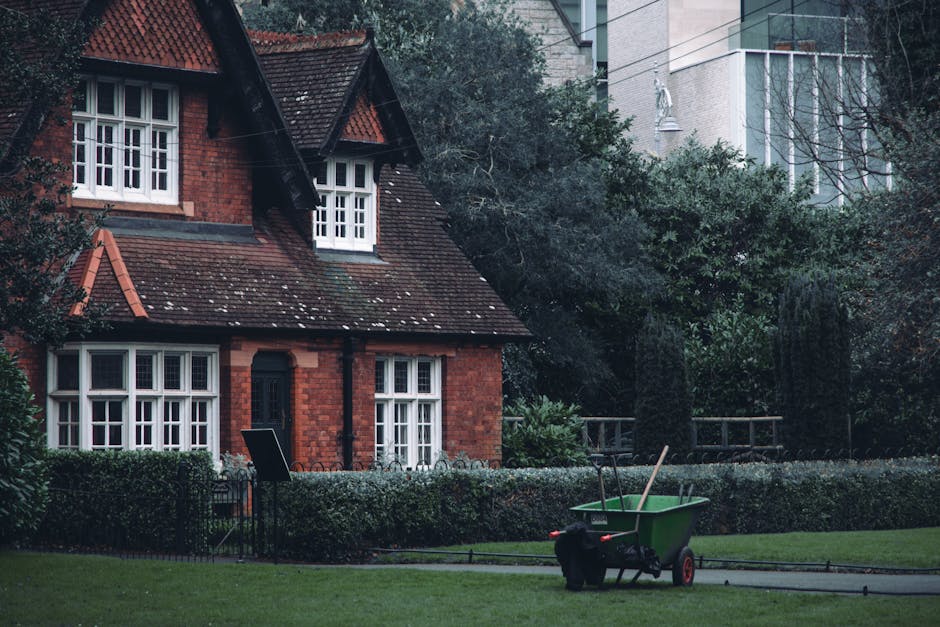
Top garden care tips for flats near Elmers End Station
If you live in a flat near Elmers End Station, your outdoor space probably has a bit of everything: a compact patio, a balcony that catches the wind, a tiny shared courtyard, maybe a strip of plants that looks great in spring and a little tired by September. The good news? With the right approach, small-space gardening does not need to be fussy or time-consuming. These Top garden care tips for flats near Elmers End Station are designed for real life, not fantasy gardens with unlimited sunlight and weekend spare time.
In this guide, you will find practical ways to keep flat gardens neat, healthy, and genuinely enjoyable through the seasons. We will cover what matters most in a compact setting, how to work around shade and exposure, which tasks give the biggest payoff, and when a professional touch can make sense. Truth be told, the smaller the space, the more every decision counts.
Expert summary: In flat gardens near Elmers End Station, the winning formula is usually simple: choose resilient plants, improve drainage, keep hard surfaces clean, prune regularly, and avoid overloading the space with maintenance-heavy features. Small, consistent care beats big rescue jobs every time.
Table of Contents
- Why garden care matters for flats near Elmers End Station
- How small-space garden care works
- Key benefits and practical advantages
- Who this is for and when it makes sense
- Step-by-step guidance
- Expert tips for better results
- Common mistakes to avoid
- Tools, resources and recommendations
- Law, compliance, standards and best practice
- Options, methods and comparison table
- Case study or real-world example
- Practical checklist
- Conclusion
- Frequently asked questions
Why Top garden care tips for flats near Elmers End Station Matters
Flat gardens are not the same as larger suburban plots. They are usually more exposed, more compact, and more visible from day to day. That means clutter shows faster, weeds spread quicker in containers, and weak plants become obvious almost overnight. If your space sits near a station area, you may also be dealing with extra foot traffic, soot, wind tunnels, and the general wear that comes with urban living. Nothing dramatic, just the usual city-garden realities.
Why does this matter? Because a well-kept outdoor area does more than look good. It gives you a calmer place to sit in the evening, helps properties feel cared for, and stops little issues from turning into expensive or annoying ones. A dripping gutter over a balcony planter, a blocked drain on a patio, or an overgrown hedge blocking light can all become daily headaches if ignored.
There is also a practical side. In flat settings, many gardens are shared or partially visible to neighbours. That means maintenance is not just about personal taste; it affects privacy, access, and sometimes even building relationships. To be fair, nobody wants to be the flat with the runaway ivy climbing everywhere.
Good garden care also supports long-term plant health. Container plants dry out faster, compact beds lose nutrients quicker, and patio surfaces can become slippery if algae is left to build up. The basic rules are different from a large garden, but they are not harder. They just need a smarter rhythm.
How Top garden care tips for flats near Elmers End Station Works
Small-space garden care works best when you think in layers. First comes structure: containers, pots, planters, railings, screening, and hard surfaces. Then comes planting: what grows well in shade, partial shade, or wind. Finally comes maintenance: watering, feeding, pruning, sweeping, and seasonal resets. If one layer is neglected, the whole space starts to feel off balance.
The key is to design around the space you actually have, not the space you wish you had. A north-facing balcony near a busy station, for example, will need different choices from a sheltered courtyard with afternoon sun. You might need drought-tolerant plants, sturdy pots that will not topple, and compact tools that store easily. That is the practical reality.
In many flats, the most effective routine is a quick weekly check plus a deeper tidy every few weeks. The weekly check is for the obvious jobs: deadheading, watering, checking for pests, and removing litter. The deeper tidy handles pruning, fertilising, washing down surfaces, and reshaping anything that has become messy. Small and steady. That really is the trick.
If the garden includes lawn, decking, or paving, the approach broadens a bit. Lawn care becomes about light cuts and patch repair. Decking needs cleaning and anti-slip attention. Patios often need washing and weed control in the joints. For those parts of the garden, services like lawn care, lawn mowing, and patio cleaning can be useful when time is tight or the job has grown beyond a quick DIY tidy.
Key Benefits and Practical Advantages
When you stay on top of flat garden care, the benefits show up in surprisingly ordinary ways. The space feels bigger. The plants look healthier. You use the area more often because it does not feel like a chore to step outside. And perhaps most importantly, the garden stops nagging at you from the corner of your eye.
- Better use of limited space: Neat planting and cleaner surfaces make compact gardens feel more open and usable.
- Less maintenance stress: Small jobs done regularly are far easier than emergency clear-ups.
- Improved plant survival: Correct watering and container choice reduce losses in warm spells or windy weather.
- Safer surfaces: Regular cleaning helps reduce slip risks on patios and steps.
- Better privacy and comfort: Thoughtful planting and trimming can soften sightlines without making the space feel boxed in.
- Higher visual appeal: Even a modest balcony can look polished with the right care routine.
There is also a quieter benefit. A small green space can genuinely change how a flat feels. Morning coffee outside, a few herbs by the door, a couple of blooms in the evening light - none of it is dramatic, but it adds up. And yes, sometimes that is enough.
Who This Is For and When It Makes Sense
This advice is for tenants, leaseholders, landlords, and managing agents dealing with flat gardens near Elmers End Station or similar London neighbourhoods. It is also relevant for anyone looking after a balcony, courtyard, terrace, communal planting area, or a narrow outdoor strip beside a building.
It makes sense if your space is:
- small and easy to clutter
- exposed to wind, shade, or reflected heat
- used for relaxing, not just decoration
- shared with neighbours or visible from nearby windows
- starting to feel untidy, overgrown, or difficult to manage
It also makes sense if you have inherited a garden that has become a bit of a mixed bag. Maybe there are half-dead pots, a patchy lawn, weeds in the paving, and a hedge that has gone from modest to mildly ambitious. Happens all the time. In those cases, regular care may not be enough at first, and a reset through garden clearance or ongoing garden maintenance can save a lot of frustration.
If your outdoor area includes fences, screening, or a timber edge around the space, it is worth checking how stable and tidy those elements are too. A neglected boundary can make even a well-planted area look unfinished. Sometimes a little repair or a cleaner line makes the biggest difference. Funny how that works.
Step-by-Step Guidance
1. Start with a proper reset
Before you think about planting new things, remove the obvious problems. Clear dead leaves, broken pots, blown-in litter, and any plants that are beyond saving. If the space has become crowded, trim back what is blocking light or access. A clean base makes every other decision easier.
2. Check light, wind, and drainage
Flat gardens near stations often deal with awkward conditions: shade from neighbouring buildings, wind between blocks, and water that sits in trays or low spots. Watch how the space behaves across the day. Where does the sun land? Where does water collect after rain? Which spots dry out first?
These details shape everything. Herbs may thrive in bright, sheltered corners, while softer bedding plants struggle. A plant that looks perfect in a shop may sulk badly on a windy balcony. The location is the boss.
3. Choose the right containers and soil
Container choice matters more than people expect. Go for pots with drainage holes, steady bases, and a size that matches the plant. Tiny pots dry out quickly and need constant attention. Overlarge pots can stay soggy for too long. The same goes for compost: fresh, good-quality potting mix gives roots a much better start than tired old soil.
If the space is heavily paved, think about weight as well. Big ceramic pots look lovely until you need to move them. And moving them on a third-floor balcony in a drizzle is not exactly a dream afternoon.
4. Build a simple watering routine
Container plants usually need more attention than border plants. Water early in the morning or later in the evening during warmer periods, and check the compost with your finger rather than guessing. If the top inch feels dry, it is time to water most of the time. If it still feels damp, wait.
Group plants with similar needs together. That way you are not treating every pot like a special case. It cuts down on wasted water and keeps the routine manageable.
5. Keep growth in check
Regular pruning and deadheading prevent the space from becoming tangled. Remove spent flowers, clip back leggy stems, and cut away anything that is diseased or damaged. In a small garden, shape matters. A plant can be healthy and still look chaotic if it is never trimmed.
For hedges, screening plants, or taller boundary growth, hedge trimming helps maintain light and privacy without letting things get out of hand. If trees or larger woody growth are involved, more specialist attention may be needed through tree surgery or tree lopping and removal, especially where branches are close to windows, roofs, or communal access paths.
6. Clean hard surfaces regularly
Patios, balconies, and decking can look tired very quickly if moss, algae, or grime builds up. A sweep every week or two keeps debris from settling in. Then give the surface a proper clean now and then, especially after wet weather or seasonal leaf fall. Clean surfaces make plants stand out better too. Oddly enough, the background matters a lot.
7. Finish with a quick review
Stand back and look at the whole space. Is there enough room to walk or sit comfortably? Are the tallest plants creating shade where you want it, or blocking it where you do not? Do the containers look balanced, or are they all fighting for attention? A short review at the end saves a lot of second-guessing later.
Expert Tips for Better Results
Here are the tips that tend to make the biggest difference in flat gardens, especially in busy London settings where time and space are tight.
- Use fewer, better plants. Three healthy, well-placed plants often look better than eight crowded ones.
- Choose seasonal interest on purpose. Mix evergreen structure with a few seasonal flowers so the space does not look empty in winter.
- Keep a spare watering can nearby. If it is out of sight, it is out of mind. Annoying but true.
- Use saucers carefully. They protect surfaces, but standing water can attract problems if not emptied regularly.
- Pick wind-resistant varieties. Delicate blooms are lovely, but in exposed spots they may need more support than they are worth.
- Rotate pots now and then. This helps even out light exposure and stops plants leaning too heavily in one direction.
- Prune little and often. Small snips are easier than dramatic cuts, and the garden recovers faster.
- Do not ignore the awkward corners. A dusty corner, blocked drain, or hidden patch of weeds can make the whole garden feel less cared for.
If you want a more polished finish, consider combining plant care with broader outdoor improvements. A tidy edge, a simple screen, or refreshed paving can change the whole tone of the space. For larger layout changes, landscape gardening and landscaping can help rework awkward flat gardens into something much more usable.
Common Mistakes to Avoid
Even sensible people make the same few mistakes in small gardens. It is not about lack of care; it is about small spaces making every error louder.
- Overwatering containers: Wet compost can suffocate roots and encourage fungus.
- Buying plants for looks alone: A beautiful plant that hates wind or shade will become expensive disappointment.
- Crowding too many pots together: It may look full at first, then messy and hard to maintain.
- Letting weeds settle into cracks: They are easier to remove early than after they have rooted deep.
- Skipping surface cleaning: Grime and algae build slowly, then suddenly the space feels neglected.
- Ignoring access: If you cannot reach pots or sweep edges easily, the whole routine becomes awkward.
- Forgetting the building context: Shared spaces, noise, and access rules can all affect what is sensible to do and when.
One subtle mistake is trying to make a flat garden do too much. A tiny balcony is not the place for a sprawling planting scheme, a heavy water feature, and six different furniture styles. Let the space breathe a bit. It will thank you.
Tools, Resources and Recommendations
You do not need a shed full of gear to keep a flat garden in good shape. In many cases, the right small set of tools is enough.
| Tool or resource | Best use | Why it helps in a flat garden |
|---|---|---|
| Hand trowel | Planting and repotting | Compact, precise, easy to store |
| Bypass secateurs | Pruning soft stems and small branches | Cleaner cuts, better plant recovery |
| Lightweight watering can | Routine watering | Easy to carry through tight spaces |
| Broom and dustpan | Sweeping leaves and grit | Keeps patios and balconies usable |
| Soft brush or patio pad | Surface cleaning | Useful for stubborn dirt without harsh scrubbing |
| Quality compost | Container planting | Supports healthy root growth and moisture balance |
| Protective gloves | General maintenance | Useful for thorny, dirty, or rough work |
| Small storage box | Tool organisation | Prevents clutter and speeds up jobs |
For more involved work, the right help can be a lot more efficient than trying to handle everything yourself. Services such as gardening services or ongoing maintenance support are useful when the space needs more than a quick tidy. If there is a lawn area that needs regular attention, lawn care is the sensible route. For stubborn overgrowth or a complete restart, garden clearance can be the cleanest way to regain control.
Law, Compliance, Standards and Best Practice
For most flat gardens, the main compliance issues are practical rather than complicated. The biggest things to think about are safety, access, neighbour consideration, and responsibility for shared or leased areas. If you rent, your tenancy agreement may set out what is yours to maintain and what should stay unchanged. If you live in a managed block, there may also be rules about noise, disposal, and access times.
It is always wise to avoid blocking communal routes, overhanging shared boundaries, or placing heavy items where they might create a hazard. In shared buildings, even a pot that seems harmless can become a problem if it is unstable or positioned badly. That is especially true on balconies or upper-level terraces. Common sense matters a lot here, perhaps more than people admit.
For larger jobs, trusted providers should follow sensible health and safety practices, carry suitable insurance, and handle waste responsibly. If you are comparing options, look for clear information about health and safety practices, insurance and safety, and recycling and sustainability. Those pages help you understand how a professional approach should be structured, even if your own job is only modest.
Best practice is simple: keep things tidy, do not create hazards, and be considerate with timing and waste. If you are not sure whether a task is suitable for DIY, especially where trees, height, heavy lifting, or sharp tools are involved, it is usually smarter to ask for advice first. That saves trouble later. Usually.
Options, Methods, and Comparison Table
Not every flat garden needs the same level of care. Some can be maintained with a light weekly routine, while others need more structured support. Here is a simple comparison to help you think it through.
| Approach | Best for | Pros | Watch-outs |
|---|---|---|---|
| DIY weekly care | Very small balconies or tidy courtyards | Low cost, flexible, quick | Easy to fall behind if routine slips |
| DIY plus occasional professional help | Mixed-use spaces with some larger tasks | Good balance of cost and quality | Requires planning and judgment |
| Regular maintenance service | Busy households, landlords, managed flats | Consistent results, less stress | Ongoing commitment |
| One-off clearance and reset | Overgrown or neglected gardens | Fast recovery, clean starting point | Needs follow-up care to stay tidy |
In practice, many flat owners do best with a hybrid approach. They handle watering, light sweeping, and simple pruning themselves, then bring in help for the heavier seasonal jobs. That can include trimming, clearance, or even small design updates if the layout no longer works.
Case Study or Real-World Example
Take a typical flat near Elmers End Station: a small courtyard with a few pots, a narrow strip of paving, and a hedge line at the back that has slowly become a bit too enthusiastic. The resident wants the area to feel peaceful, but not precious. They do not want to spend every weekend on maintenance, either. Fair enough.
The first step was a full tidy. Dead plants were removed, pots were grouped by watering needs, and the worst weeds were cleared from the paving joints. The hedge was reduced to a manageable shape with a focus on light and privacy rather than perfect symmetry. A couple of resilient evergreen plants were added for structure, then seasonal flowers were used sparingly so the space still had colour without becoming high-maintenance.
After that, the routine was simple: water checks twice a week, a quick sweep on Sundays, and a monthly review of anything that was looking leggy. The whole space felt calmer. More usable. Less like a chore zone.
What changed most was not the number of plants. It was the discipline around keeping the space manageable. That is often the secret in flat gardens. Not more stuff. Better rhythm.
Practical Checklist
- Check how much sun, shade, and wind the space gets during the day
- Remove dead leaves, litter, and failed plants
- Make sure every container has drainage
- Use the right compost for pots and planters
- Water in a steady routine rather than randomly
- Trim plants before they become unruly
- Sweep patios, balconies, and steps regularly
- Inspect for slippery patches, standing water, or loose items
- Keep access routes clear for you and your neighbours
- Plan seasonal tasks before the weather changes
- Book help for clearance, pruning, or maintenance when the job is bigger than a quick tidy
If you are dealing with a garden that has grown beyond a weekend job, it may be time to compare support options and ask for a clear price. You can review pricing and quotes if you are planning ahead, or simply bring in the right help before the space becomes harder to manage.
Get a free quote today and see how much you can save.
Conclusion
The best garden care for flats near Elmers End Station is not about perfection. It is about making a small outdoor space feel easy to use, pleasant to look at, and simple to maintain over time. A little structure, the right planting choices, and a sensible rhythm will usually beat a dramatic makeover that nobody has time to keep up.
Start with the basics: clear the clutter, understand the light, choose sturdy plants, and keep surfaces clean. Add support where you need it, whether that is pruning, mowing, clearance, or a broader maintenance plan. Before long, the space stops feeling like a burden and starts feeling like part of home again. And that, in the end, is the whole point.
A well-kept flat garden does not shout. It just quietly makes life nicer.
Frequently Asked Questions
What are the best plants for a small flat garden near Elmers End Station?
Choose plants that suit your light levels and exposure first. In many flat gardens, compact evergreen shrubs, herbs, hardy grasses, and resilient perennials work well because they stay manageable and do not need constant rescue. If your space is windy or shaded, pick accordingly rather than forcing a plant that looks nice on the label but hates the conditions.
How often should I water balcony or patio plants?
There is no single rule, but container plants usually need more frequent checks than border plants. In warmer weather, you may need to water every day or every other day, while cooler spells often need less. Check the compost with your finger; if it feels dry near the top, water it.
Do flat gardens need professional maintenance?
Not always. A lot depends on how much time you have and how complex the space is. Small, simple gardens can often be managed with DIY care. If the area includes hedges, overgrowth, lawn patches, awkward surfaces, or shared access issues, professional maintenance can save time and prevent problems.
How do I keep a small garden tidy without spending every weekend on it?
Keep the routine short and regular. Sweep weekly, deadhead and water as needed, and do one slightly bigger tidy each month. The main thing is not to let jobs pile up. Small and frequent beats large and rare, almost every time.
What should I do if my flat garden has gone overgrown?
Start with clearance rather than planting new things. Remove dead growth, cut back the worst offenders, and clean the hard surfaces. If it has become too much to handle safely or comfortably, a proper garden clearance is often the most efficient way back to a usable space.
Can I improve privacy in a small outdoor space?
Yes, but do it carefully. Tall pots, slim screening plants, and well-trimmed hedges can help without making the space feel boxed in. The key is balance. Privacy is useful; darkness and clutter are not.
Is patio cleaning really necessary if the surface looks okay?
Usually, yes. Dirt, algae, and leaf residue often build up gradually, so the surface can look fine until it suddenly feels slippery or dull. Routine cleaning helps keep it safe and makes the whole space look brighter.
What is the easiest way to maintain a garden in a rented flat?
Stick to reversible, low-impact choices: containers, simple planting, regular sweeping, and light pruning. Avoid anything that could conflict with your tenancy terms or create damage. If you are unsure what counts as your responsibility, check your agreement before making changes.
When should I think about hedge trimming or tree work?
If growth is blocking light, reducing privacy in the wrong way, or starting to crowd windows and access areas, it is time to look at trimming. For larger woody growth, specialist help is safer and usually neater. A light trim is easy; a badly placed ladder and a stubborn branch is a different story.
How do I make a tiny garden feel bigger?
Use fewer, stronger features. Clear sightlines, simple planting, lighter-coloured surfaces, and a bit of vertical structure can all help. Clutter makes a small space feel smaller, while clean edges and well-spaced plants create breathing room.
What should I ask before booking garden help?
Ask what is included, how waste is handled, whether insurance and safety practices are in place, and whether the work is a one-off or ongoing. It is also sensible to ask about maintenance frequency and any follow-up care the space may need after the job is done.
How do I know if my garden needs a full reset?
If you have weeds everywhere, dead or damaged plants, blocked access, or surfaces that are hard to walk on safely, a reset is probably the best starting point. Once the basics are back under control, maintenance becomes much easier and more rewarding.