
 020 3744 3778
The Innovative World of Vertical Gardening Design
Posted on 08/06/2025
The Innovative World of Vertical Gardening Design
Introduction to Vertical Gardening Design
In our fast-paced, urbanized world, innovative vertical gardening design is revolutionizing the way we approach greenery and sustainability. With less space and more desire to incorporate nature into our homes and cities, vertical gardens provide a creative, functional, and visually stunning way to grow plants upward instead of outward. Whether you're a homeowner wanting a green accent wall, an urban dweller craving vegetables, or a business looking to create healthier spaces, vertical gardening offers limitless possibilities.

What is Vertical Gardening?
Vertical gardening design refers to the practice of growing plants vertically, typically supported by structures or walls, as opposed to horizontally in traditional gardens or landscapes. These green installations range from simple living walls and hanging planters to complex, artful creations integrating smart irrigation and lighting systems.
Key characteristics of vertical gardens:
- Space-efficient and ideal for small areas
- Versatile, suitable both indoors and outdoors
- Enable the cultivation of ornamental, edible, and medicinal plants
- Add visual appeal and improve air quality
Advantages of Vertical Gardening Design
Adopting vertical plant wall designs comes with numerous benefits:
- Saves Space: Ideal for apartments, balconies, and small yards.
- Improves Air Quality: Plants absorb pollutants and release oxygen.
- Reduces Urban Heat: Green walls help lower surrounding temperatures.
- Enhances Aesthetics: Lush, layered gardens brighten dull spaces.
- Provides Insulation: Acts as an extra layer for buildings, reducing energy costs.
- Promotes Biodiversity: Supports pollinators and urban wildlife.
- Ease of Maintenance: Modern systems are designed for easy care and watering.
Popular Types of Vertical Gardens
The world of vertical gardening design features several inventive styles, each suited for different spaces and needs. Here are the most popular types:
1. Living Walls or Green Walls
These feature an array of plants grown on a vertical structure, often with built-in irrigation. Green walls can be found both inside offices and on exterior building facades, blending architecture with nature.
2. Vertical Planter Towers
Freestanding planters stacked upward, often modular and movable, these towers are perfect for patios or small apartments.
3. Trellis Systems
A timeless method, trellises support climbing plants like beans, cucumbers, or flowering vines, turning fences or walls into beautiful plant canvases.
4. Gutter or Pallet Gardens
Repurposed gutters or wooden pallets stacked vertically are cost-effective DIY vertical gardening solutions, suitable for herbs or shallow-rooted vegetables.
5. Pocket Gardens
These consist of fabric or felt pouches attached to walls and filled with soil. Perfect for herbs, succulents, and compact flowers, they create a mosaic of living color.
6. Hydroponic Vertical Gardens
Utilize soil-free technology and water circulation for clean, efficient cultivation--a favorite in urban indoor gardening.
Essential Elements of Vertical Garden Design
To create a thriving vertical garden design, consider these crucial components:
- Structure: Choose a base frame or system--wood, plastic, metal, or modular panels--suitable for your wall and weight requirements.
- Growing Medium: Select soil, coco coir, felt, or hydroponic substrate depending on plant types and watering methods.
- Plants: Pick appropriate species based on sunlight, climate, and desired aesthetics. Native plants often require less care.
- Irrigation & Drainage: Integrate drip systems or self-watering mechanisms to maintain consistent soil moisture and prevent water damage.
- Support & Anchoring: Secure the system firmly, especially for outdoor or large installations, to prevent accidents and damage.
Best Plants for Vertical Gardening
The beauty of innovative vertical gardening lies in its plant diversity. Here are top categories:
Ornamental Plants
- Ferns (Boston fern, maidenhair)
- Pothos and philodendron
- Spider plant
- English ivy
- Succulents and sedums
- Begonia and impatien flower varieties
Edible Plants
- Leafy greens (lettuce, spinach, kale)
- Herbs (basil, parsley, mint, oregano)
- Strawberries
- Chili peppers
- Compact tomatoes (cherry or grape)
Air Purifying Plants
- Peace lily
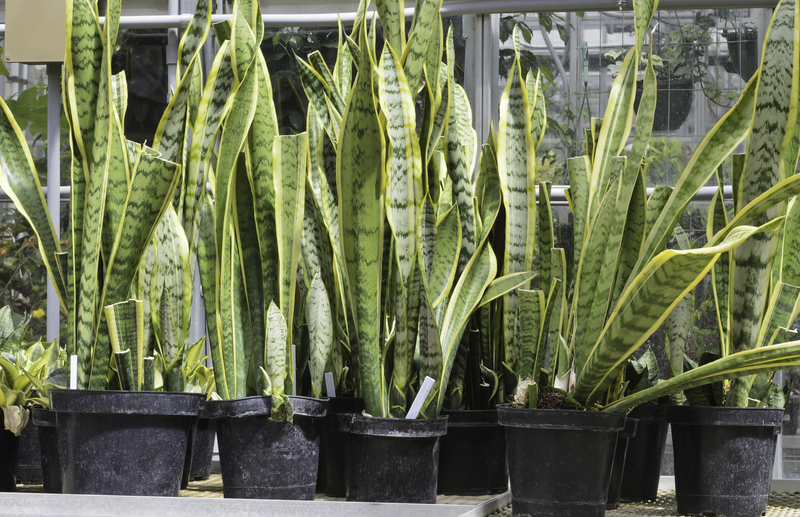
- Snake plant
- Bamboo palm
- Aloe vera
- ZZ plant
Vertical Gardening Design Ideas and Inspiration
From statement pieces to tiny kitchen herb gardens, let these ideas spark your creativity:
- Kitchen Herb Wall: Turn unused wall space in your kitchen into a fresh, fragrant vertical herb garden for easy access while cooking.
- Office Green Divider: Use a freestanding vertical planter to double as a workspace partition, introducing tranquility and productivity.
- Balcony Edible Wall: Grow a mix of leafy greens, strawberries, and trailing tomatoes even with limited outdoor space.
- Outdoor Living Mural: Transform a blank exterior wall into a work of art using colorful flowers and foliage with varied textures and heights.
- Bathroom Moss Wall: Create an eco-luxurious spa experience by cultivating air-purifying moss that thrives in humid spaces.
Latest Trends in Vertical Garden Design
The field of modern vertical gardening and wall garden design continually evolves. Here are the hottest innovations:
- Smart Green Walls: Integration with sensors and automation for smart watering, light, and nutrient delivery, ensuring optimal growth.
- Artistic Installations: Collaborations between artists and landscape architects to create living murals and 3D plant sculptures.
- Biophilic Design: Growing trend in architecture to include nature directly within building interiors, from hotel lobbies to shopping centers.
- Sustainable Materials: Emphasis on recycled or upcycled materials for frames, irrigation, and planting pockets.
- Hydroponic and Aeroponic Walls: Use of soil-free, water-efficient technologies to expand indoor and urban food production.
- DIY Modular Systems: Accessible kits allow homeowners and renters to customize and move their vertical gardens with ease.
How to Start Your Own Vertical Garden
Launching your own vertical garden design project is simpler than you might imagine. Follow this step-by-step guide:
- Assess Your Space: Identify a wall or area that receives sufficient light and is accessible for maintenance.
- Choose Your Style: Decide if you want a living wall, tower, trellis, or pocket garden based on your space, budget, and personal taste.
- Gather Materials: Purchase or repurpose materials for the frame, planters, and irrigation. Many vertical gardening kits are readily available.
- Select Plants: Match your plants to the microclimate of your chosen location, prioritizing easy-care species for beginners.
- Install Proper Irrigation: Set up a drip or self-watering system to keep plants healthy with minimal effort.
- Plant and Arrange: Place taller or cascading species toward the top, and compact, shade-tolerant varieties at the bottom for the best look and health.
- Maintain and Enjoy: Regularly check moisture, prune as needed, and relish your new green oasis!
Common Challenges & Solutions
While vertical gardening offers many benefits, gardeners may face these issues:
- Watering Woes: Vertical setups often dry out faster. Solution: Automate irrigation and use moisture-retentive growing media.
- Uneven Growth: Some areas may receive less light or water. Solution: Rotate plants or use artificial grow lights.
- Pest and Disease Management: Dense planting can invite pests. Solution: Monitor regularly, keep leaves dry, and use organic pest controls.
- Structural Issues: Inadequate support may cause collapse. Solution: Ensure sturdy anchoring and consider plant weight at maturity.
Famous Examples of Vertical Gardens
The impact of vertical garden design resonates worldwide, with renowned installations such as:
- Musee du Quai Branly, Paris: Patrick Blanc's iconic living facade with over 15,000 plants from 150 species.
- One Central Park, Sydney: A blend of architecture and botany, this skyscraper is wrapped in lush green panels.
- Edificio Santalaia Vertical Garden, Bogota: The world's largest vertical garden, filtering air for residents and the city.
Environmental and Social Impact
Adopting more urban vertical gardening designs has significant ecological and cultural benefits:
- **Urban Greening:** Helps counteract loss of green areas and combat air pollution.
- **Well-Being:** Exposure to plants fosters relaxation, focus, and creativity.
- **Community Engagement:** Shared gardens unite neighborhoods, schools, and city dwellers.
- **Food Security:** Enables local production of fresh produce right at the point of consumption.
Future Directions in Vertical Gardening Design
The future of vertical wall garden design is bright with advancements in:
- Smart Technology: Internet-enabled controls for precise climate and nutrient management.
- Renewable Energy: Integrating solar panels and renewables to power garden systems.
- New Materials: Sustainable, lightweight innovations for even more creative and accessible installations.
- Urban Integration: From rooftop farms to public transportation corridors, greenery becomes part of everyday infrastructure.
Conclusion: Embrace the Vertical Revolution
The innovative world of vertical gardening design is transforming our relationship with nature, offering cities and individuals a new path toward beauty, sustainability, and well-being. Whether you wish to add a simple herb wall to your kitchen, install a dramatic living mural, or support urban agriculture, vertical gardening solutions are more accessible and exciting than ever. Embrace the upward movement of modern gardening, and watch as your world becomes greener, healthier, and more inspiring.
Ready to get started? Explore the possibilities, experiment with your own designs, and join the blooming revolution of creative vertical gardening!
Latest Posts
Tools to Elevate Your Gardening Passion
Mastering the Art of Orchid Care for Flowering Delights
9 Foundational Gardening Tips to Start Your Growing Journey
