Gardeners for narrow access drives on Croydon Road Elmers End
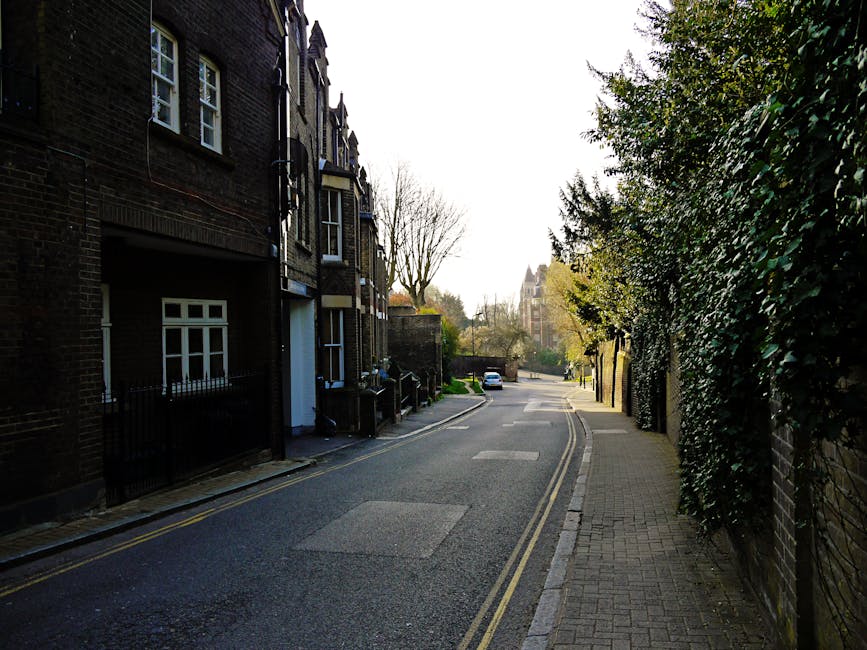
If your property on Croydon Road has a narrow drive, you already know the small frustrations can stack up fast: awkward tool access, limited parking, nowhere to turn a wheelbarrow, and a constant worry about damaging fences, paving, or planting. That is exactly where Gardeners for narrow access drives on Croydon Road Elmers End become genuinely useful. The right team does not just "do the garden"; they plan the job around tight entry points, low-clearance routes, and the realities of working politely in close quarters. In practice, that means less disruption, better results, and a lot less back-and-forth carrying. And yes, it saves time. Quite a bit, usually.
This guide explains how narrow-access gardening work is approached, what to look for, which jobs are most suitable, where the risks sit, and how to decide whether a specialist visit is the right move. If you are comparing options, you will also find practical hints for pricing, preparation, and long-term upkeep.
Why Gardeners for narrow access drives on Croydon Road Elmers End Matters
Narrow access changes the whole shape of a gardening job. A standard crew can arrive with the right intentions and still lose half the day navigating a side passage, protecting doors, or hauling debris through a tight route. On a road like Croydon Road, where homes can vary a lot in frontage, access can be the difference between a neat half-day visit and a muddled, physically awkward one.
The big issue is not simply width. It is the combination of width, surface type, slope, turning space, neighbouring boundaries, and what needs to pass through. A lawn care visit may be simple. A hedge reduction, tree pruning, or full garden clearance is different. Even a modest pile of green waste can suddenly become a logistical nuisance if it has to be moved by hand through a narrow side gate. Truth be told, that is where many gardens lose momentum.
Using gardeners who understand these constraints matters because they tend to think in routes, loads, and sequence. They work backwards from access points. They ask where materials can be staged, what can be brought in before anything is cut back, and whether a job needs smaller tools or more frequent loading. That practical mindset is worth a lot when space is tight.
There is also a protection angle. Tight access usually means more chance of scuffed paving, clipped paintwork, bent shrubs, or scratched fencing if the work is rushed. A careful team reduces that risk by using sensible equipment choices, smaller collections of tools, and a tidier workflow. If you want the wider context around working safely and responsibly, the site's insurance and safety guidance is a sensible place to start, and you may also want to look at the health and safety policy.
How Gardeners for narrow access drives on Croydon Road Elmers End Works
The process is usually more methodical than people expect. Good narrow-access work begins before anyone picks up a spade. A gardener needs to understand the route, the scope, and the exit plan for waste. If that sounds obvious, well, it should be - but in real life, this is where jobs either feel smooth or become a bit of a shuffle.
In most cases, the workflow looks like this:
- Site check and access review - The team notes gate width, drive width, steps, turning restrictions, and the condition of surfaces.
- Task planning - They decide which work should happen first so materials, cuttings, and tools do not block movement later.
- Tool selection - Compact, hand-held, or sectional tools are often preferred over bulky kit.
- Protection setup - Edges, walls, and soft planting are shielded where needed, especially on tight paths.
- Working in stages - Instead of flooding the area with materials, the team keeps everything lean and controlled.
- Waste handling - Cuttings are bagged, stacked, or transferred in smaller loads to suit the route out.
- Final tidy and review - Access routes are checked for debris, splashes, and trip risks before the team leaves.
This kind of work is not glamorous, but it is efficient when done properly. A good team will also adapt to the season. In wetter months, they may protect soft ground more carefully; in summer, they may work earlier to avoid plants wilting in the heat. Little adjustments, but they matter.
For jobs involving overgrown climbers, tight boundary planting, or hedge lines along a confined frontage, it can help to combine access planning with specialist pruning or shaping. If that sounds relevant, the service on hedge trimming in Elmers End is directly relevant to access-heavy properties. And if the overgrowth includes ivy, you may find the advice on removing stubborn ivy useful too.
Key Benefits and Practical Advantages
Narrow-access gardening is not just about "making it fit". Done well, it creates a calmer, cleaner, more manageable routine for the property. Here are the benefits that tend to show up quickly.
- Less disruption to daily life - Neighbours, vehicles, bins, and front-door access are handled more thoughtfully.
- Better protection of surfaces - Narrow drives often have limited margin for error, so careful routing keeps paving and render safer.
- Smarter waste removal - Smaller loads and staged clearing reduce congestion and mess.
- More precise work - Compact access often encourages more selective pruning, edging, and planting decisions.
- Lower strain on the garden layout - Beds, borders, and fragile planting are less likely to be trampled.
- Faster repeat maintenance - Once a property has a practical access routine, regular visits become much easier.
There is also a hidden benefit: confidence. Many homeowners put off work because they assume the access will make it too awkward or too expensive. Once a methodical plan is in place, the whole thing feels more doable. That alone can stop a garden from sliding into neglect.
For ongoing upkeep, narrow-access properties often pair well with garden maintenance, because small, regular visits are usually easier than one huge rescue mission. And if the garden includes a lawn that needs routine attention, lawn care can be scheduled in a way that suits limited access.
Who This Is For and When It Makes Sense
This type of gardening support makes sense for a surprisingly wide range of properties. It is not only for tiny front gardens. It can apply to homes with tight side passages, long but narrow drives, terraced layouts, shared access, or older properties where the route to the back garden is awkward and a bit unforgiving.
You may benefit if any of these sound familiar:
- Your only access to the rear garden is through a narrow side gate.
- The drive is too tight for larger machinery or bulky waste movements.
- You need hedge, border, or lawn work but the entry route is heavily constrained.
- Plants have been overhanging the drive and making movement even harder.
- There is a risk of damaging fencing, decking, or patio edges while carrying tools in and out.
- You simply do not want to spend Saturday morning wrestling a compost sack through a tight corridor. Fair enough.
The service also makes sense when your garden is in a transition phase. For example, after a clear-out, after building work, or after a long period of overgrowth, the route itself can become part of the project. In those cases, the first job may be opening access rather than doing the "pretty" bits. A useful starting point can be a broader garden overhaul rather than a single one-off task.
If your aim is to reduce upkeep and simplify the layout, you might also explore low-effort planting approaches. The guide on budget-focused low-maintenance gardens is a smart companion read, especially for homes where access makes routine work a little more fiddly.
Step-by-Step Guidance
Here is a practical way to approach a narrow-access garden job without overcomplicating it.
- Measure the access honestly
Do not eyeball it and hope for the best. Check the usable width, any low steps, awkward corners, and whether gates swing cleanly. - List the real task
Be specific. Is it hedge reduction, clearance, border renovation, weed control, lawn work, or a mix? - Note the obstacles
Mention fragile paving, loose gravel, hanging cables, parked vehicles, or plants you want protected. - Separate access from work area
Sometimes the quickest improvement is to clear a route first, then tackle the actual garden job after. - Use smaller, manageable loads
Cuttings, soil, and rubble move better in stages. One huge load can be more trouble than it is worth. - Plan waste exit early
Ask how green waste will leave the site. It sounds dull. It is not dull when you are carrying ten bags by hand. - Choose plants and materials that fit the route
If future maintenance is the goal, pick layouts that can be maintained without bulky equipment. - Review what made access hard in the first place
Sometimes the real fix is boundary reshaping, better pruning, or smarter planting.
For many homeowners, the biggest shift comes after step one: being honest about the access. That single moment often changes the whole plan for the better.
Expert Tips for Better Results
A few field-tested habits make narrow-access jobs smoother and safer. They are not complicated, just sensible.
- Work from the far end back toward the exit so you are not stepping over freshly cut material.
- Keep tools compact where possible. Smaller equipment is often faster in tight spaces than you expect.
- Protect turning points with boards or mats if the route includes delicate paving or soft ground.
- Stage waste in neat piles instead of spreading it across the route. Mess breeds more mess, really.
- Trim strategically if a hedge or climber is narrowing access. Open the route first, then refine the shape.
- Think seasonally - winter jobs may need cleaner footing, while summer work may need more watering or shade breaks.
- Use plants that are kind to tight spaces, such as ground covers, container planting, or vertical features.
One practical example: if a side access is constantly blocked by trailing stems and coarse weeds, a careful combination of weed control, climber management, and border redefinition usually beats repeated "quick hacks". If you want a deeper dive into that kind of tidy-up work, the article on controlling unwanted weeds is worth a look.
And if the property feels exposed to weather, narrow access can become even more of a nuisance when everything is wet and slippery. The page on weather-resistant garden planning offers useful ideas for making the whole setup more resilient.
Common Mistakes to Avoid
Narrow access jobs often go wrong in the same few ways. Most of them are avoidable.
- Ignoring the route until the day of the visit - This causes delays and rushed decisions.
- Overloading the access path - Too much waste or too many tools in one place makes the job clumsy.
- Using heavy kit where lighter kit would do - Bigger is not always better, especially on a tight drive.
- Cutting before planning the exit - It is easy to create a heap you then struggle to remove.
- Forgetting surface protection - A small amount of care saves a lot of frustration later.
- Letting overgrowth define the space - If hedges and climbers keep swallowing the route, access keeps getting worse.
There is also a design mistake that sneaks up on people: planting for looks alone, without thinking about maintenance access. A lush border can be lovely at first, then become the thing you cannot reach properly. That is where simple, maintainable planting is worth its weight in gold.
If ivy is part of the problem, do not underestimate how persistent it can be. Once it establishes itself along boundaries and around gateways, it tends to return in bits and pieces unless tackled properly. That is why some homeowners pair access work with a focused ivy removal plan.
Tools, Resources and Recommendations
You do not need a van full of gadgetry to manage a tight-access garden. What matters is having the right equipment for the layout, not the flashiest kit on the market. In many cases, the most useful tools are the ones that reduce trips up and down the route.
| Need | Practical tool or approach | Why it helps in narrow access |
|---|---|---|
| Cutting back overgrowth | Hand pruners, compact loppers, sectional hedge tools | Easier to manoeuvre than large, bulky equipment |
| Waste movement | Smaller bags, staged loading, light wheelbarrows | Reduces blockages and keeps the route usable |
| Surface protection | Mats, boards, edge guards | Helps prevent scuffs and soil transfer |
| Long-term upkeep | Regular maintenance visits, tidy planting structure | Prevents access from deteriorating again |
| Space-saving planting | Containers, vertical planting, compact ground cover | Works better where access and circulation are limited |
For homeowners looking to simplify the planting side, a few related ideas can help a lot. Container planting is a strong fit for awkward routes, and the article on container gardening gives a practical sense of how that can work. If you want low-growing, attractive plant choices, ground cover ideas can also be useful.
For larger refreshes, especially where the whole layout needs rethinking, the page on landscaping may be more relevant than a simple maintenance visit. And if you are deciding which service to prioritise first, general gardening services can help you keep things flexible.
Law, Compliance, Standards, or Best Practice
For most domestic gardening work, the main concern is not a complex legal process but sensible best practice. That said, access work often touches on safety, waste handling, and neighbour consideration, so it is worth being careful.
In the UK, reputable gardeners usually work to a few broad expectations:
- Safe manual handling - Especially where waste or materials must be carried through a narrow route.
- Reasonable care for surfaces and property - Protect paving, gates, fence panels, and any shared access points.
- Clear communication - Agree where materials can be staged and how the site will be left.
- Responsible waste management - Green waste should be handled properly and not left to create a nuisance.
- Privacy and access sensitivity - On tight urban plots, respectful movement matters just as much as the final finish.
If a job involves climbing, power tools, large tree work, or awkward lifting, it is sensible to ask about insurance and safety procedures before work starts. That is not being difficult. It is just a normal, professional question.
Where tree work is involved, the risks and access demands rise quickly. In that case, specialist help from tree surgery services may be the more appropriate route. Likewise, if boundaries are part of the problem and the drive is being boxed in, fencing services can sometimes form part of the long-term solution.
For trust and service expectations, pages such as terms and conditions, payment and security, and complaints procedure can be helpful if you like to know how a business handles things before you commit.
Options, Methods, or Comparison Table
Not every narrow-access garden needs the same approach. Sometimes a quick tidy is enough. Other times, the layout itself needs changing so future visits are easier. Here is a simple comparison.
| Approach | Best for | Pros | Trade-offs |
|---|---|---|---|
| One-off tidy-up | Light overgrowth, small access issues, seasonal refresh | Quick, straightforward, lower commitment | May not solve the root access problem |
| Regular maintenance | Gardens that need steady, manageable upkeep | Keeps routes clear and jobs smaller over time | Needs consistency |
| Access-led redesign | Very tight drives, awkward routes, recurring congestion | Improves long-term usability | More planning required |
| Combined landscaping and pruning | Boundaries, hard edges, and overgrown access points | Good for structural problems | Can involve more coordination |
For many homes, the sweet spot is regular maintenance plus a few targeted improvements. Not too much drama. Just enough structure to keep things moving. That tends to be the difference between a garden that feels manageable and one that quietly becomes a headache.
Case Study or Real-World Example
A typical narrow-access job on Croydon Road might start with a front-to-back route that is just wide enough for a person, a bucket, and one tool at a time. The rear garden has a hedge line close to the access path, some ivy on one side, and weeds beginning to take hold near the gate. Nothing dramatic, but enough to make every visit feel slower than it should.
The practical fix would usually be simple:
- open up the route by cutting back the worst encroaching growth,
- clear the weeds along the path edges,
- remove loose debris before the main work starts,
- use compact tools for the hedge and boundary sections,
- bag cuttings in smaller batches, and
- leave the access point cleaner than it was found.
That kind of job can feel almost invisible when it goes well, which is the point. The customer sees the result, but not the chaos. No piles blocking the drive. No muddy footprint trail through the gate. Just a garden that is usable again.
In cases like this, the next sensible step is often not a major redesign. It is a tidy routine, a few access-aware pruning choices, and maybe a shift toward plants that stay neat without constant correction. If you are in that position, a focused chat through about the team can help you judge whether the work needs a maintenance visit or something more involved.
Practical Checklist
Before booking any narrow-access gardening work, run through this quick checklist. It saves time, and occasionally a bit of embarrassment too.
- Measure the narrowest point of the drive or side access.
- Check whether gates open fully and easily.
- Identify any steps, slopes, or uneven paving.
- Note fragile planting, lighting, or boundary features.
- List the exact job you want done, not just "tidying".
- Ask how waste will be removed from the site.
- Confirm whether the gardener will need parking space close by.
- Decide if the access problem is temporary or structural.
- Think about whether regular maintenance would be easier than one-off clearances.
- Prepare the route as much as you can before the visit.
If you want to move ahead, it is usually best to keep the conversation practical and specific. A clear brief helps a gardener assess the access and choose the right approach from the outset. If you are ready to discuss your situation, the easiest next step is to use the site's contact page.
Get a free quote today and see how much you can save.
Conclusion
Gardeners for narrow access drives on Croydon Road Elmers End are about more than squeezing tools through a tight gap. They are about careful planning, cleaner working, and a better long-term relationship with your garden. When access is restricted, small decisions matter: which tools to use, how to move waste, where to start, and how to prevent the same problem recurring next month.
If you take one thing away, let it be this: narrow access is not a deal-breaker. It is a design and logistics issue. Once you treat it that way, the job becomes far more manageable. And a lot less irritating, which is honestly a big win on its own.
With the right approach, even a tricky drive can support good gardening rather than getting in the way of it. One careful visit can change the feel of the whole property. Sometimes that is all it takes.
Frequently Asked Questions
What do gardeners for narrow access drives actually do differently?
They plan the job around the access route rather than treating access as an afterthought. That usually means smaller tools, staged movement of waste, careful protection of surfaces, and a more deliberate work order.
Can a narrow drive still support larger gardening jobs?
Yes, often it can. The job may just need a different method. Hedge work, pruning, clearances, and border renovations can still be done, but the setup needs to respect the limited route in and out.
Is narrow access more expensive?
Sometimes it can be, because the work may take longer and involve more manual handling. That said, the final cost depends on the actual task, the amount of waste, and how awkward the route really is.
How do I prepare my property before the gardeners arrive?
Clear parked vehicles if possible, move anything fragile from the route, and make sure gates open properly. If you can measure the narrowest section and describe any steps or turns, that helps a lot.
What if the garden is overgrown and the access is partly blocked?
That is common. In those cases, the first job may be opening the route itself by cutting back the worst growth before the main work starts. It is usually easier to tackle access first and then finish the rest of the garden.
Do I need specialist equipment for narrow-access garden work?
Not always. Many jobs are completed with compact hand tools, light pruning gear, and sensible waste handling. The important thing is choosing equipment that suits the route instead of fighting it.
Can narrow-access gardening include hedge trimming and pruning?
Absolutely. In fact, hedge trimming is often one of the most useful services for improving access, because it can open up paths, boundaries, and gate areas very quickly.
What kind of gardens benefit most from this service?
Terraced properties, homes with side entrances, narrow drives, long rear access routes, and gardens with boundary overgrowth all benefit. It is especially useful where regular visits are harder because movement is constrained.
How can I make future maintenance easier?
Choose more compact planting, keep access routes clear, and avoid letting hedges, climbers, or weeds reclaim the space. A regular maintenance schedule is usually easier than rescuing the garden every few months.
Is this useful in winter or wet weather?
Yes, but the method matters even more. Wet paths can be slippery, so careful footing, sensible scheduling, and cleaner staging become especially important. Some jobs may be better delayed if the route is too soft or unsafe.
What should I ask before booking gardeners for a narrow drive?
Ask how they handle access, whether they need parking close by, how waste will be removed, and whether they have insurance and safety processes in place. Those questions are practical, not fussy.
Where can I read more about making a tight garden easier to maintain?
Useful related reads include vertical gardening design, garden seating ideas, and winter garden care. Together they can help you think about the space in a more practical way.