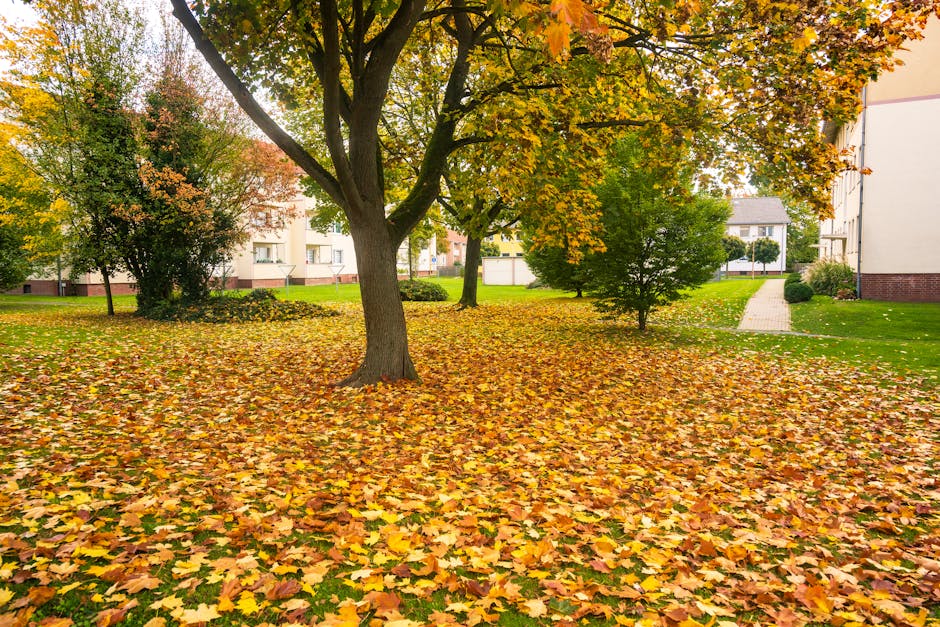
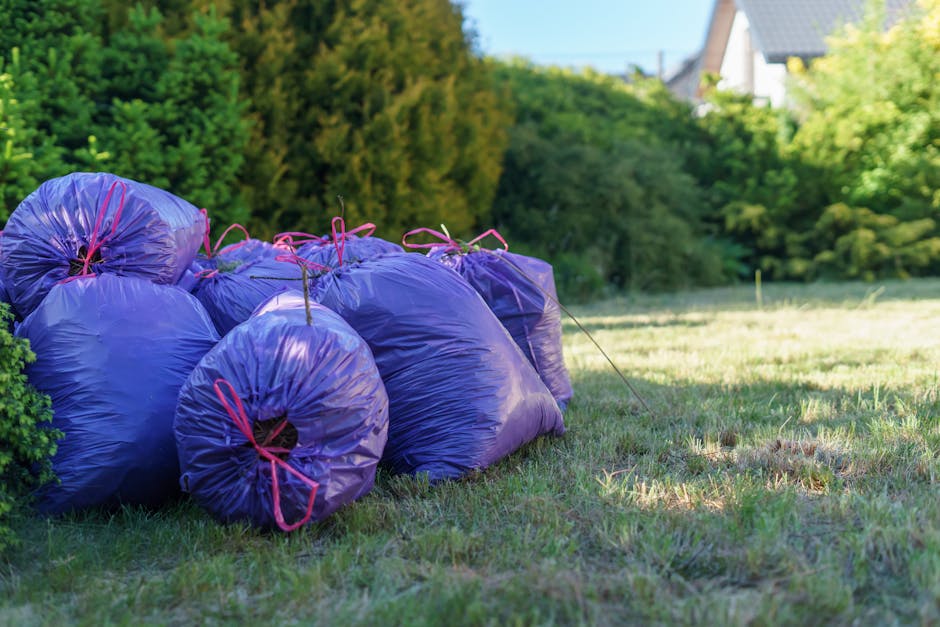
Bromley Council garden waste rules for Elmers End homes
If you live in Elmers End, garden waste can feel simple until bin day rolls around and suddenly it is not so simple after all. One week it is grass clippings and hedge trimmings; the next, you have bags of ivy, soil, and pruning cuttings that do not quite seem to fit the rules. This guide on Bromley Council garden waste rules for Elmers End homes breaks it all down in plain English so you can avoid missed collections, keep your garden tidy, and make sensible decisions about what to put out, what to compost, and what to leave out.
We will look at how the system typically works, why it matters for local households, and the practical habits that make life easier. You will also find a checklist, a comparison table, and a few real-world examples from the sort of weekend garden jobs that happen all the time in Bromley. No waffle. Just the stuff that helps.
Table of Contents
- Why Bromley Council garden waste rules for Elmers End homes matters
- How Bromley Council garden waste rules for Elmers End homes works
- Key benefits and practical advantages
- Who this is for and when it makes sense
- Step-by-step guidance
- Expert tips for better results
- Common mistakes to avoid
- Tools, resources and recommendations
- Law, compliance, standards, or best practice
- Options, methods, or comparison table
- Case study or real-world example
- Practical checklist
- Conclusion
- Frequently asked questions
Why Bromley Council garden waste rules for Elmers End homes matters
Garden waste rules are not just about whether a bin gets collected. They affect how you maintain your garden, how much mess builds up, and whether you end up with a pile of cuttings sitting around for days because you were not sure what to do with them. In a neighbourhood like Elmers End, where many homes have modest but well-used gardens, clear disposal habits save time and stop waste from becoming a nuisance.
The rules also matter because garden waste is not all the same. Fresh grass cuttings behave very differently from dry branches. Ivy is different again. Soil, turf, hedge trimmings, and leaves each have their own practical quirks. Some materials are accepted in garden waste collections, some are not, and some are better handled through home composting or a booked removal service. That distinction is where most confusion starts, to be fair.
There is also the simple matter of presentation. If your garden waste is loose, overfilled, contaminated with general rubbish, or packed in the wrong type of container, it may be refused. Then you are left with a backlog and another week of trying to remember where you put that sack of prunings. Not ideal.
For homes in Elmers End, understanding the rules makes spring clear-ups, hedge trims, and autumn leaf fall much easier to manage. It is one of those small bits of local know-how that quietly makes a big difference.
How Bromley Council garden waste rules for Elmers End homes works
At a practical level, the system is usually straightforward: household garden waste is set out for collection in the format and on the schedule that Bromley Council specifies. The exact details can change, so the safest approach is always to check the current guidance before putting anything out. That may sound obvious, but a lot of rejected collections happen because people rely on memory or old habits.
In general, garden waste collections are designed for organic materials from routine garden maintenance. Think grass cuttings, hedge trimmings, twigs, leaves, dead flowers, and small prunings. If you have recently used a service like garden maintenance or hedge trimming in Elmers End, those jobs often create exactly the kind of material that needs sorting properly afterwards.
Some households prefer to keep things simple by composting smaller quantities at home. Others use council collections only for heavier jobs. And then there are the weekends when a quick tidy turns into a full-scale clear-out. You know the type: a wet Saturday, a wheelbarrow, a pair of gloves, and suddenly half the border has become a pile on the lawn.
Here is the main principle to remember: keep garden waste clean, uncontaminated, and easy to collect. Anything that looks like general household rubbish, plastic plant pots, metal, rubble, treated timber, or food waste will usually create problems if mixed in. The cleaner your waste stream, the smoother the collection process.
If you are dealing with larger or more awkward waste from a bigger project, it can help to plan around the collection rules rather than working against them. That is especially true after major pruning, clearing invasive growth, or preparing a garden for redesign. In those cases, services such as gardening services or landscaping can save a lot of back-and-forth.
Typical garden waste that is usually manageable
- Grass cuttings
- Leaves and small plant debris
- Hedge trimmings
- Small branches and twigs
- Spent bedding plants and weeds
Typical items that often cause issues
- Soil and rubble in large quantities
- Plastic, pots, and packaging
- Kitchen waste mixed into garden sacks
- Thick timber, fencing offcuts, or decking waste
- Large roots, trunks, or bulky woody material
Key benefits and practical advantages
Following the rules does more than keep you on the right side of the council. It makes garden care feel calmer. That may sound a bit dramatic, but anyone who has tried to cram wet grass into the wrong bag on a Friday evening will know what I mean.
The first benefit is predictability. If you know what can go out and how it should be prepared, you spend less time guessing. The second is hygiene. Properly managed garden waste does not sit around attracting flies, going slimy, or turning into a soggy nuisance at the side of the path. The third is efficiency. Collections go more smoothly when waste is sorted correctly, and that matters if your garden produces regular waste throughout the season.
There is also a sustainability angle. Garden waste is organic material. Handled properly, it can be diverted away from general rubbish and put to better use in composting or green waste processing. If you are interested in making your garden feel a bit more self-sufficient, articles like evolving organic refuse into fertile soil and cultivating change through gardens are worth a look for broader context.
One more practical advantage: better garden waste habits make every other job easier. If you are trimming hedges, cleaning up beds, or doing a full reset, the waste workflow becomes part of the job rather than a messy afterthought. Truth be told, that is where a lot of good garden work is won or lost.
Who this is for and when it makes sense
This guidance is useful for pretty much any Elmers End household with a garden, but some people need it more than others.
You will find it especially helpful if you:
- do your own lawn care or seasonal garden clear-ups
- regularly trim hedges, shrubs, or climbers
- have a small urban garden that fills up quickly with cuttings
- share bins or collection space with neighbours and need to stay organised
- are planning a bigger tidy-up before planting, fencing, or redesign work
It also makes sense if your garden has problem areas like ivy, weeds, or overgrown borders. Those jobs generate awkward waste fast. A patch of ivy can look harmless at first, then you cut it back and suddenly you are left with armfuls of stringy material that fills a sack before you have even started on the next bed. For that sort of job, the right prep matters. You may also find it useful to read advanced approaches to keep ivy gone and mastering unwanted weeds if those are the bits of your garden causing repeated waste.
On the other hand, if your garden is tiny and you only produce a bag or two of cuttings now and then, a simple home composting setup might be enough. A modest bin system and a little routine can beat a big disposal job later. Small wins add up.
Step-by-step guidance
Here is a clear way to approach garden waste at home in Elmers End without overcomplicating it.
- Sort the waste immediately. As soon as you finish cutting or clearing, separate garden waste from plastics, plant labels, stones, and general rubbish.
- Break it down where possible. Long stems, hedge clippings, and branches are easier to manage when cut into shorter lengths.
- Keep wet and dry waste under control. Damp grass and leaves compact quickly, so do not overload containers.
- Use the right container or presentation method. Follow the current council format carefully, especially if sacks or bins are specified.
- Check collection timing. Set waste out when required, not days early. Rain and wind can turn a neat pile into a small garden disaster.
- Deal with awkward material separately. Larger branches, turf, soil, or mixed debris may need a different solution.
- Store leftovers safely. If a collection is missed, keep the waste tidy and accessible rather than letting it spread across the drive.
If a garden overhaul is underway, this workflow becomes even more valuable. A structured approach at the start can save a surprising amount of time later. For inspiration on planning a clearer reset, see starting your garden overhaul with confidence.
For homes where the waste is generated by ongoing upkeep rather than one big project, a rhythm works best. A weekly mow, a light prune, a quick sweep, then one tidy disposal step. Nothing dramatic. Just consistent.
Expert tips for better results
There are a few small habits that make compliance much easier, and they are the kind of things people only learn after a couple of messy mistakes. Saves time though.
- Dry the waste slightly before collection. If safe to do so, let clippings drain off a bit. Heavy, soaked material is harder to handle and easier to overpack.
- Use a dedicated garden waste corner. A simple spot in the shed or side return helps you keep cuttings separate from household rubbish.
- Trim little and often. Smaller, regular cuts create easier waste than one huge seasonal cut-back.
- Choose low-mess planting where possible. Ground cover, evergreen climbers, and container planting can reduce the amount of waste you generate. If that sounds useful, have a look at ground cover ideas and container gardening for simpler upkeep.
- Keep an eye on windy days. Loose leaves and light clippings disappear faster than you think. A blustery evening in London is all it takes.
- Plan around the seasons. Autumn leaf fall and spring pruning are the busiest times, so build a little extra flexibility into your schedule.
If you use professional help for recurring upkeep, consistency matters even more. A cleaner cut, a tidier border, and less leftover material can reduce the amount of waste you need to manage afterward. That is one reason some homeowners combine council collection habits with regular help from lawn care or lawn mowing support.
And yes, it is perfectly normal if your bin day still feels a bit awkward now and then. We have all had the moment where a sack splits at the gate. Annoying, but fixable.
Common mistakes to avoid
Most issues with garden waste are not caused by complicated rules. They come from a handful of predictable mistakes.
- Mixing general waste into the garden waste. One plastic pot or food wrapper can spoil the whole load.
- Overfilling containers. If bags are packed too tightly or bins are forced shut, collection can become unreliable.
- Leaving branches too long. Long, awkward pieces make containers unstable and difficult to handle.
- Adding soil, rubble, or heavy hard landscaping waste. Those materials belong in a different disposal route.
- Ignoring seasonal surges. A small weekly tidy is manageable; a month of backlog is not.
- Assuming every green material is accepted. Some items that look "garden-like" are still not suitable.
A particularly common problem in Elmers End is the end-of-project pile. You finish pruning the hedge, pull a few weeds, cut back a climber, and before you know it the heap includes ivy strands, lawn cuttings, old ties, and half a forgotten plant pot. That mixture is exactly what causes trouble. Keep the streams separate if you can.
Another easy mistake is forgetting about damp weather. Wet waste weighs more and compresses badly. That makes containers awkward to move and more likely to spill. A dull, drizzly morning can make a simple task feel twice as big.
Tools, resources and recommendations
You do not need fancy kit to manage garden waste well, but a few practical tools make life easier.
- Garden trug or sturdy tub: useful for collecting small amounts of clippings, weeds, and deadheads.
- Sharp secateurs and loppers: help reduce bulky waste into cleaner, shorter pieces.
- Rake and leaf grabber: ideal for autumn clear-ups and lawn tidying.
- Wheelbarrow: a quiet hero when you are moving larger volumes around the garden.
- Compost bin: suitable if you want to keep a proportion of your organic waste on site.
- Heavy-duty gloves: not glamorous, but very useful when handling brambles, ivy, or rough stems.
If you want to reduce waste in the first place, the right planting choices help. The site's guide to evergreen climbers for shaded garden areas and fast hedges for privacy can give you ideas that look good without demanding constant clearing.
For more practical garden thinking, it can also help to look at winter garden upkeep and weather-resistant garden planning. Fewer damaged plants means less surprise waste later. Simple, really.
Law, compliance, standards, or best practice
Garden waste handling is not only about convenience; there is also a compliance angle. Local authority collection rules are meant to keep waste streams clean and manageable, and households are expected to follow the current collection instructions. Because council arrangements can change, it is sensible to check the latest guidance before every major clear-up rather than assuming last year's setup still applies.
Best practice in this context is straightforward: separate waste properly, present it in the accepted format, and do not contaminate it with non-organic material. Where you are unsure, the safest assumption is that mixed or bulky material may need another route. That is especially true for soil, rubble, treated wood, fencing offcuts, and similar materials from building or landscaping work.
If your project involves structures rather than planting, the waste profile changes quickly. A hedge trim is one thing. Replacing a fence or deck element is another entirely. In those situations, services like fencing or decking services may be more relevant than a simple garden waste collection, because the disposal method may need to be planned as part of the job.
It is also sensible to follow basic safety and handling standards. Heavy sacks can strain your back, wet clippings can be slippery, and sharp tools are, well, sharp. The health and safety policy and insurance and safety pages are useful reminders that good garden work is not only tidy, it is safe and sensible too.
Options, methods, or comparison table
Most Elmers End homes end up using one of three methods for garden waste. The right choice depends on how much you generate, how often you garden, and whether you want to keep some material at home.
| Method | Best for | Pros | Watch-outs |
|---|---|---|---|
| Council garden waste collection | Regular household cuttings and seasonal tidy-ups | Convenient, familiar, and good for ongoing maintenance | Must follow current rules carefully; mixed waste may be refused |
| Home composting | Small to moderate amounts of leaves, clippings, and soft material | Low waste, useful for soil improvement, keeps material onsite | Not suitable for everything; needs space and a bit of patience |
| Professional garden clearance | Big clear-outs, overgrown gardens, or awkward mixed waste | Saves time and handles heavy or messy jobs well | More involved planning; useful to confirm disposal expectations in advance |
If your garden is small and neatly maintained, council collection plus a compost bin may be all you need. If your garden is larger, older, or recently neglected, a professional clear-up can be the cleaner option. There is no prize for doing the hardest thing the longest way possible.
For homeowners thinking about a broader garden refresh, garden maintenance is often the most practical route because it combines cutting back, tidying, and waste control in one plan. That tends to keep the whole process a bit less chaotic.
Case study or real-world example
Imagine a typical Elmers End front and rear garden in late spring. The lawn has grown quickly after a few warm, damp weeks. The hedge along the boundary is starting to look shaggy. There are weeds in the border, old annuals to remove, and a patch of ivy creeping where it is not wanted. Nothing dramatic, just one of those gardens that suddenly asks for attention all at once.
In that kind of situation, a homeowner might tackle the job in stages: mow first, trim the hedge second, weed the borders third, and finally collect the waste by type. Grass cuttings go together. Hedge trimmings are bundled separately. Weeds and dead plants are kept clear of anything else. If there is too much volume for one collection, the rest is held neatly for the next one or composted if suitable.
That staged approach has a nice side effect. The garden looks better earlier, and the waste stays manageable. It also makes it easier to spot what is genuinely organic and what needs separate disposal. A neighbour might do the same job in one huge rush on Sunday afternoon and end up with three overstuffed sacks, a blocked path, and a sigh that carries across the fence. We have all been that neighbour at some point, honestly.
When the garden needs more than routine maintenance, professional support can bring order to the process. A team handling tree surgery or larger pruning work will usually think about waste volumes from the start, which is exactly what you want when the job is too big to wing it.
Practical checklist
Use this quick checklist before your next garden waste collection or tidy-up.
- Have I separated garden waste from household rubbish?
- Are branches, stems, and clippings cut down to manageable sizes?
- Have I checked the latest council guidance before setting anything out?
- Is the waste dry enough and not overpacked?
- Have I kept soil, rubble, pots, and treated materials out of the load?
- Do I need to compost some material instead of collecting it?
- Is there any bulky waste that needs a different disposal plan?
- Have I left enough time to deal with the waste before bin day?
- Is the collection point clear, safe, and easy to access?
- Do I need help from a gardening professional to avoid a second round of mess?
That list sounds basic, but basic is good. It stops problems before they start. And on a wet Tuesday evening in Bromley, that is worth a lot.
Get a free quote today and see how much you can save.
Conclusion
Bromley Council garden waste rules for Elmers End homes are easiest to manage when you treat them as part of ordinary garden care, not as a separate chore you deal with at the very end. Sort the waste early, keep materials clean, stay aware of current guidance, and choose the right disposal route for the job in front of you.
For some homes, that will mean a simple routine of council collections and a compost bin. For others, especially after a big prune or a garden reset, it may mean a more structured approach with professional help and a clearer waste plan. Either way, the aim is the same: a tidy garden, less hassle, and fewer surprises on collection day.
And if you get it right most of the time, that is already a win. Gardening rarely needs perfection. It just needs a decent rhythm, a bit of patience, and the occasional deep breath when the wheelbarrow gets stuck in the mud.
Frequently Asked Questions
What counts as garden waste for Elmers End homes?
Garden waste usually means organic material from routine gardening, such as grass cuttings, leaves, hedge trimmings, weeds, and small prunings. Mixed rubbish, rubble, and hard materials are usually handled separately.
Can I put soil in my garden waste bin or sack?
Soil is often treated differently from light green waste, especially in larger amounts. It is best to check the current Bromley Council guidance before including it, because heavy materials can cause collection problems.
Are ivy and weeds accepted in garden waste collections?
They are organic, but they can be awkward if they are mixed with general rubbish or packed too heavily. Keep them separate and manageable. Ivy in particular can become bulky surprisingly fast.
What should I do with hedge trimmings after a big cut-back?
Bundle or contain them neatly, reduce their length if needed, and keep them free of plastic ties, pots, or other non-organic material. Large hedge jobs sometimes produce more waste than people expect, so plan ahead.
Can I compost my garden waste instead of putting it out?
Yes, for suitable material. Soft plant matter, leaves, and grass cuttings can often be composted at home. Woody stems, diseased material, and heavily contaminated waste may need different handling.
What happens if my garden waste is contaminated?
Collections can be refused or left uncollected if waste includes non-garden items. The cleaner the load, the better the chance it will be taken without issue.
How often should I prepare garden waste for collection?
That depends on how much gardening you do. Some homes only need occasional clear-outs, while others generate waste weekly during spring and summer. A little regular trimming usually keeps things easier.
Do I need a professional gardener for council garden waste rules?
Not necessarily. Many people manage perfectly well on their own. But if your garden is overgrown, or you are doing a bigger project, a professional can reduce the waste burden and make sorting much simpler.
What if my garden waste is too bulky for normal collection?
Then you may need a different disposal route, a staged approach, or help from a garden service. Bigger branches, roots, and construction-related waste are often better handled separately.
How can I make garden waste easier to manage in a small Elmers End garden?
Trim little and often, compost suitable material, and choose lower-maintenance planting where possible. Ground cover, container planting, and well-planned borders can all reduce the volume of waste over time.
Is it worth checking the rules every time?
Yes, especially before major clear-ups. Council guidance can change, and it is much easier to spend two minutes checking than to deal with a missed or refused collection later.
Where can I get help if my garden waste keeps getting out of hand?
If recurring pruning, hedge work, or overgrown beds are creating more waste than you want to manage alone, it can help to speak to a local gardening team. A bit of planning up front usually saves a lot of mess later, and that is no bad thing.